Protecting Our Waters
Farming affects downstream. How we steward the water on Mt. Folly Farm.
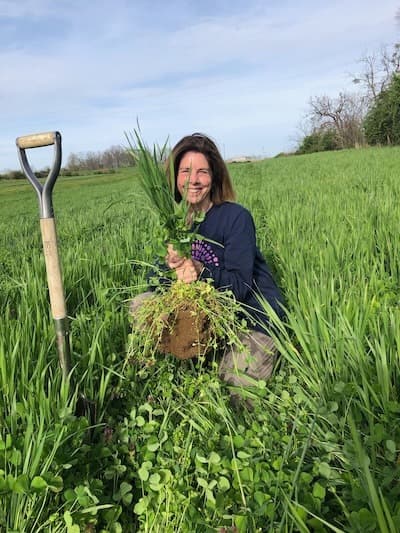
Laura Freeman
Founder & Farmer
Water is life. In Kentucky, we are blessed with abundant rainfall and limestone-filtered streams, but that doesn't mean we can take it for granted.
The Runoff Challenge
Conventional farming often leads to nutrient runoff. Nitrogen and phosphorus from fertilizers wash into creeks, causing algae blooms that choke aquatic life downstream (eventually contributing to the "Dead Zone" in the Gulf of Mexico).
Our Solutions
1. Riparian Buffers
We maintain thick strips of native vegetation (trees, shrubs, and grasses) along all our creeks. These "buffers" act as a filter, catching sediment and chemicals before they can enter the water.
2. Rotational Grazing
Our cattle don't just stand in the creek. We use rotational grazing with strategic watering points (fed by solar pumps) to keep livestock out of sensitive waterways, preventing bank erosion and contamination.
3. Soil Absorption
By building living soil (high organic matter), our fields act like a sponge. They can absorb a heavy rain without creating massive runoff. This drought-proofs our crops and flood-proofs our neighbors.
"Clean water starts with healthy soil."
Cultivating Wellness,
Delivered to You.
Sign up for our newsletter to receive exclusive farm updates, wellness tips, and a 15% off code for your first order at Laura's Mercantile.
We respect your inbox. Unsubscribe at any time.