CBD vs. THC: The Science of Two Molecules
While they share the same chemical formula, these two cousins interact with your body in profoundly different ways.
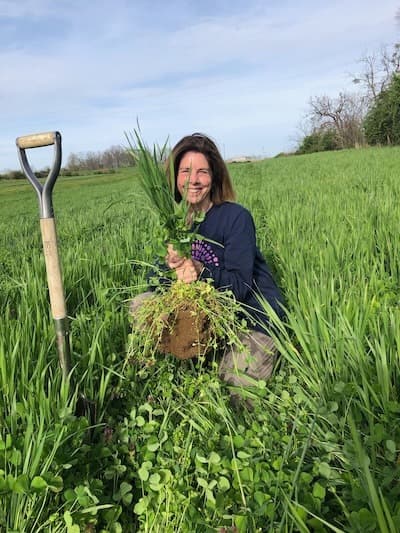
Laura Freeman
Founder & Farmer
The cannabis plant is a complex botanical factory, producing over 100 distinctive compounds known as cannabinoids. Among these, two have captured the world's attention: Cannabidiol (CBD) and Tetrahydrocannabinol (THC).
Understanding the difference between these two molecules is the first step in navigating the world of hemp wellness. At Laura's Mercantile, we believe that education is just as important as the product itself.
The Chemistry: Identical Twins?
At a molecular level, CBD and THC are startlingly similar. In fact, they share the exact same molecular formula:
C₂₁H₃₀O₂ (21 Carbon atoms, 30 Hydrogen atoms, and 2 Oxygen atoms).
However, nature is in the details. The difference lies in a single atomic bond. Structurally, THC contains a cyclic ring, while CBD contains a hydroxyl group. This minute variance in arrangement dictates how each molecule fits—or doesn't fit—into the receptors of your body's Endocannabinoid System (ECS).
The Endocannabinoid System Connection
Your body is equipped with a vast network of receptors known as the Endocannabinoid System (ECS), designed to maintain homeostasis (balance). The two primary receptors are:
- CB1 Receptors: Found primarily in the brain and central nervous system.
- CB2 Receptors: Found mostly in the peripheral organs and immune system.
THC: The "Lock and Key"
THC is perfectly shaped to bind directly with CB1 receptors. Because these receptors are concentrated in the brain areas associated with mood, memory, pain, and appetite, this binding creates the euphoric "high" associated with marijuana. It changes your perception of reality.
CBD: The "Allosteric Modulator"
CBD does not bind directly to CB1 receptors. In fact, it often acts as an antagonist. If THC is trying to unlock the door, CBD essentially jams the keyhole. This is why CBD is often described as non-intoxicating and can even reduce the psychoactive effects of THC.
Instead of getting you "high," CBD works by encouraging the body to use its own naturally occurring cannabinoids (endocannabinoids) more effectively.
Key Differences at a Glance
| Feature | CBD (Cannabidiol) | THC (Tetrahydrocannabinol) | | :--- | :--- | :--- | | Psychoactive? | No (Non-intoxicating) | Yes (Intoxicating/High) | | Primary Source | Hemp plants (<0.3% THC) | Marijuana plants (>0.3% THC) | | Legal Status (US) | Federally Legal (Farm Bill 2018) | Federally Illegal (State laws vary) | | Primary Use | Wellness, Balance, Calm | Recreation, Pain, Appetite | | CB1 Binding | Negligible / Indirect | Direct / Strong |
The Entourage Effect
While we often speak of them separately, CBD and THC were designed by nature to work together. This synergy is known as the Entourage Effect.
In Full Spectrum products (like ours at Mt. Folly Farm), we preserve the natural ratio of cannabinoids. The trace amounts of THC (less than 0.3%) found in legal hemp aren't enough to cause intoxication, but they are crucial for unlocking the full therapeutic potential of CBD.
Analogy: Think of CBD as the lead singer and THC as the drummer. You can listen to the singer acapella (Isolate), but the song is much more powerful with the full band (Full Spectrum).
Learn More
Explore our other guides to deepen your understanding:
Cultivating Wellness,
Delivered to You.
Sign up for our newsletter to receive exclusive farm updates, wellness tips, and a 15% off code for your first order at Laura's Mercantile.
We respect your inbox. Unsubscribe at any time.